Interactive Jazz Map of New Orleans
Circle Pack of Recurring Concepts
*Click card title to return to map.
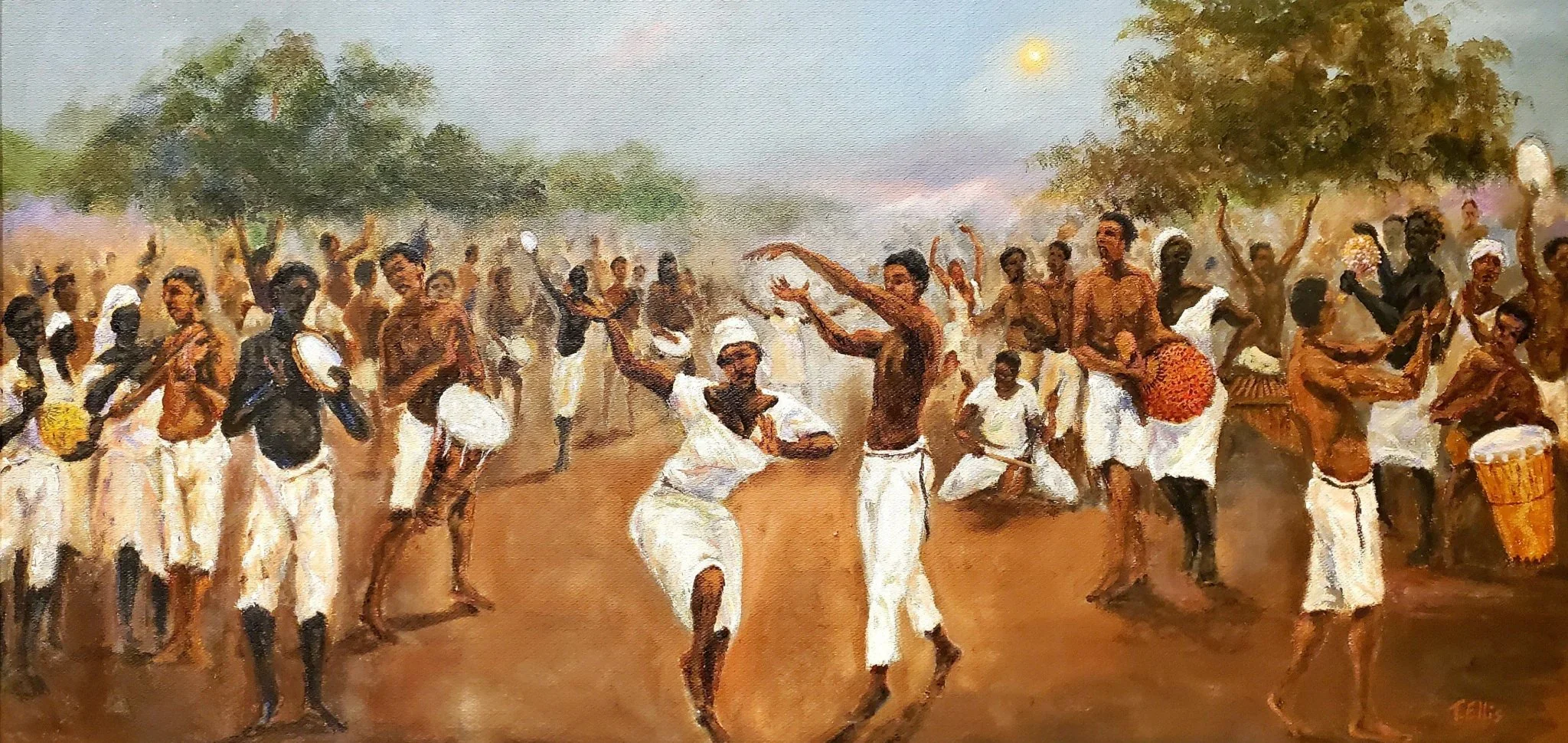
1. Congo Square
Dates
18th century to present
Location
701 N Rampart St
A foundational site of Black gathering, dance, and ritual memory.
In Continuities: Chapter 1
2. Jackson Square
Dates
Colonial era to present
Location
700 block of Decatur St
Formerly Place d'Armes and a key site for understanding the reorganization of public space.
In Continuities: Chapter 1
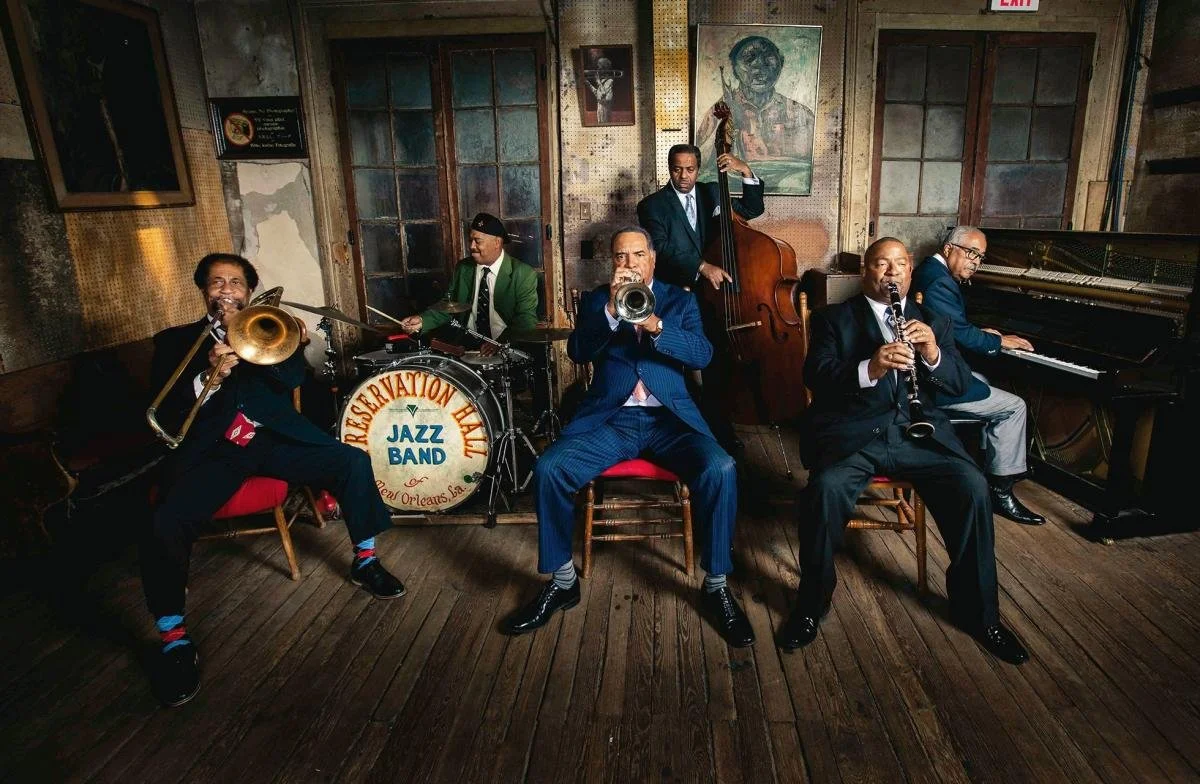
5. Preservation Hall
Dates
1961 to present
Location
726 St Peter St
A major venue for traditional jazz revival and public presentation.
In Continuities: Chapter 7
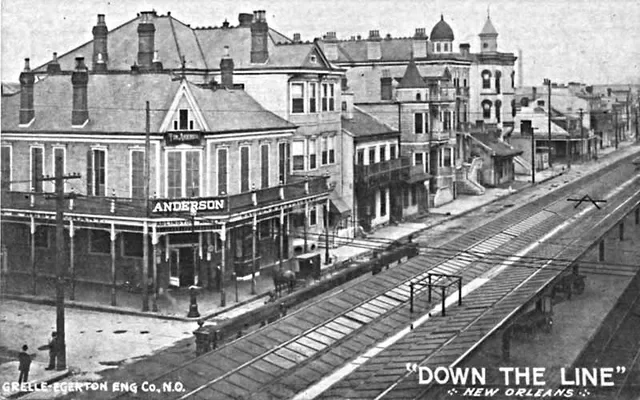
7. Storyville
Dates
1897 to 1917
Location
Iberville and N Robertson
An entertainment district and labor site for early jazz musicians.
In Continuities: Chapter 1

9. Audubon Park
Dates
1884 Cotton Centennial
Location
St Charles Ave
An exposition site that expands the city’s sound world beyond usual early jazz locations.
In Continuities: Chapter 1
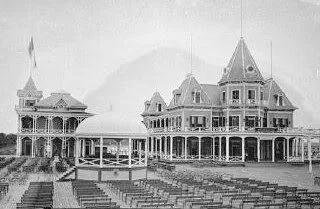
11. West End
Dates
1835 to present
Location
West End Lakefront
A leisure zone where music, dancing, and excursion culture converged.
In Continuities: Chapter 1
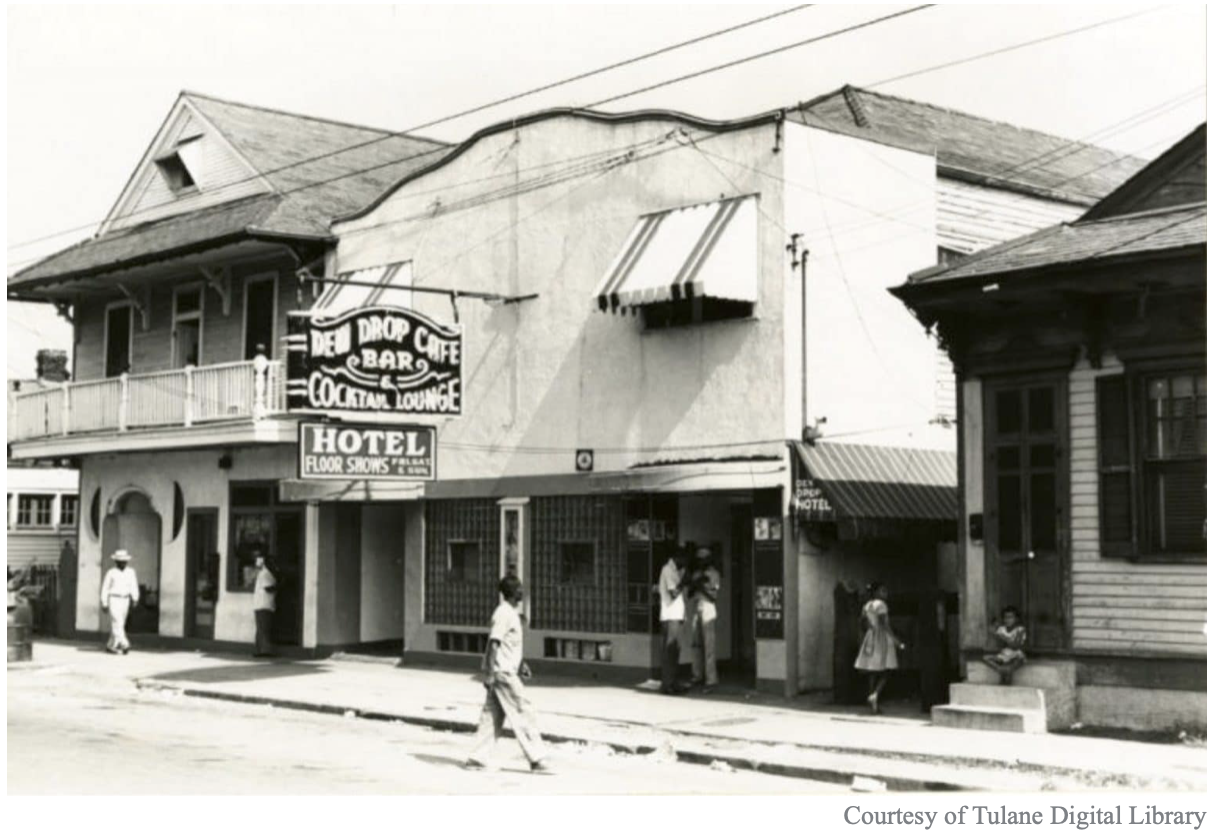
13. Dew Drop Inn
Dates
1942 to 1960s
Location
2836 LaSalle St
A central Black music venue and postwar performance hub.
In Continuities: Chapter 7
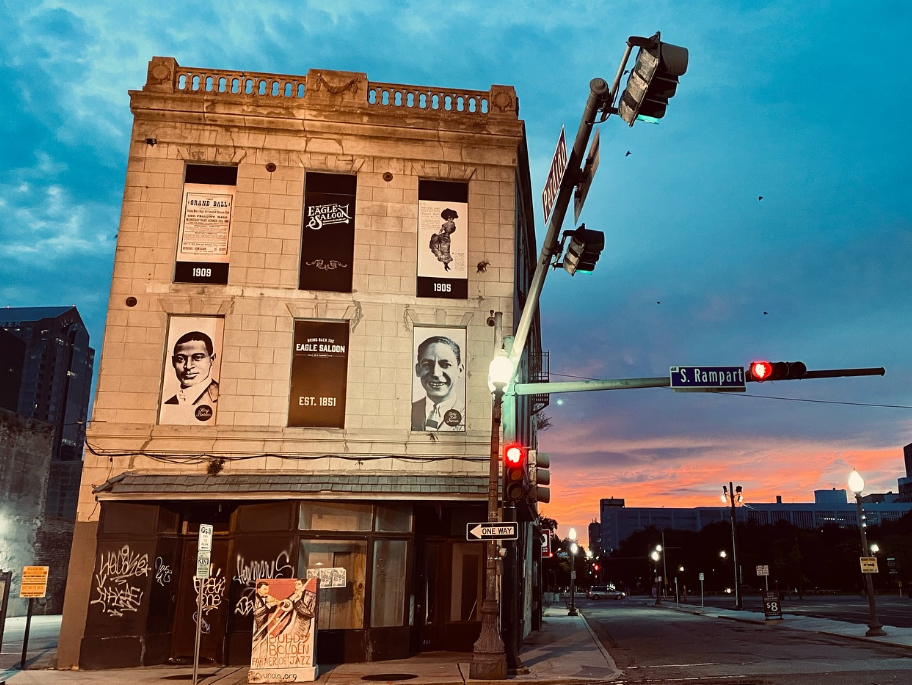
15. Eagle Saloon
Dates
Late 19th to early 20th century
Location
401 S Rampart St
Associated with Bunk Johnson and the Eagle Band.
In Continuities: Chapter 1
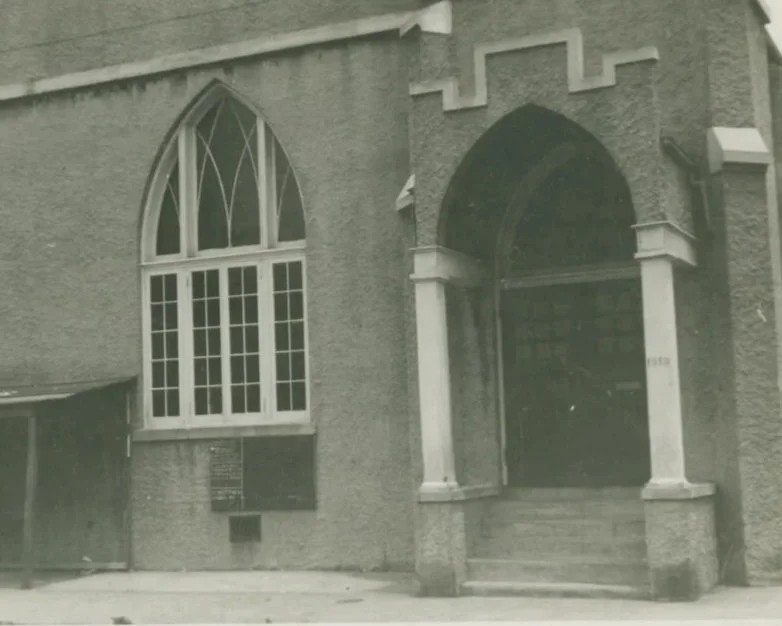
17. Funky Butt Hall
Dates
Early 1900s
Location
1319 Perdido St
A famous early jazz site associated with Buddy Bolden.
In Continuities: Chapter 1
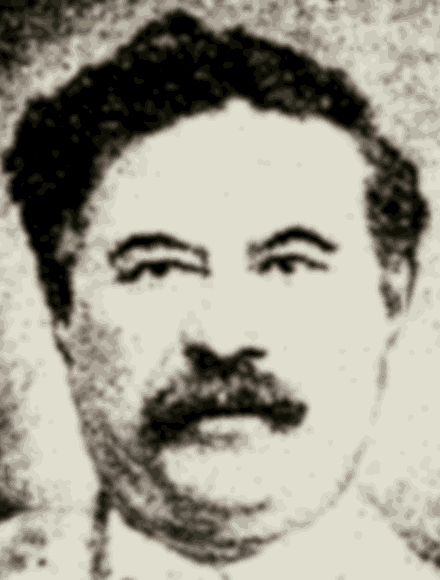
19. Matranga's Saloon
Dates
Early 20th century
Location
Franklin & Perdido
Where Louis Armstrong played his first professional job.
In Continuities: Chapter 1
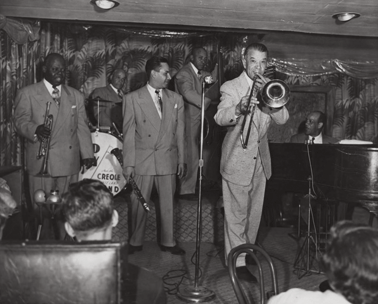
21. Pete Lala's
Dates
Storyville era
Location
Iberville & Marais
A central after-hours gathering place for musicians.
In Continuities: Chapter 1
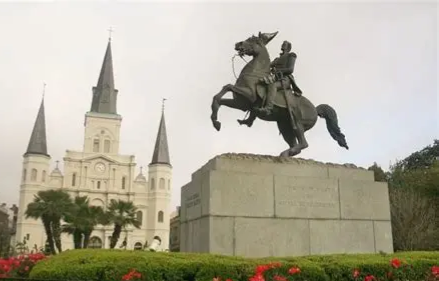
2. Jackson Square
Dates
Colonial era to present
Location
700 block of Decatur St
Formerly Place d'Armes and a key site for understanding the reorganization of public space.
In Continuities: Chapter 1
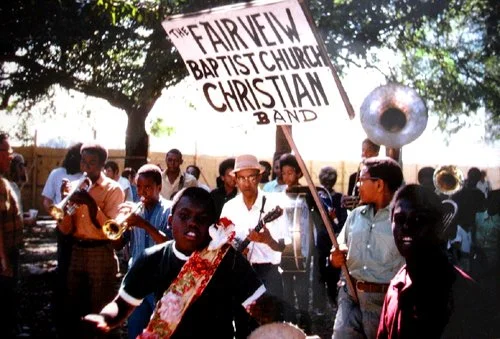
4. Fairview Baptist Church
Dates
1970s
Location
Central City
A pedagogical site associated with Danny Barker’s youth band work.
In Continuities: Chapter 3 & 4
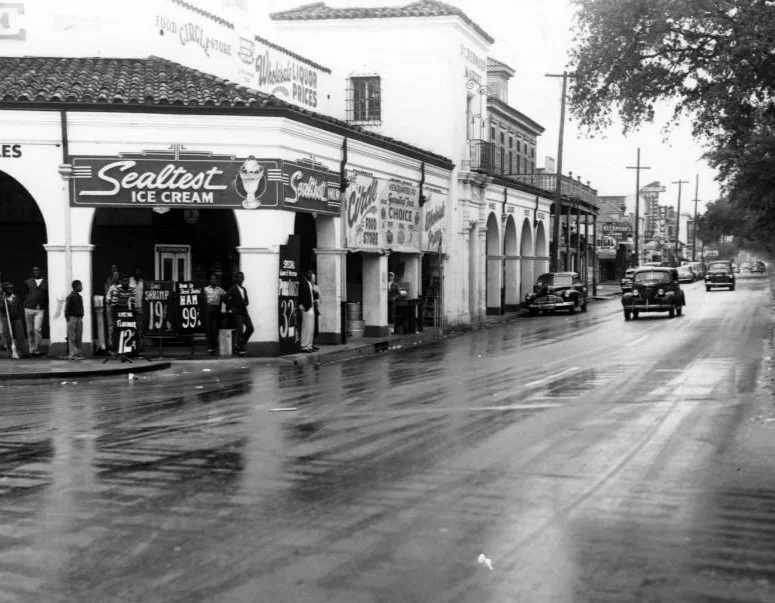
6. Claiborne Corridor
Dates
20th century to present
Location
N Claiborne Ave
A major corridor for second lines, Mardi Gras Indian practice, and Black public culture.
In Continuities: Chapter 2, 6, & 7
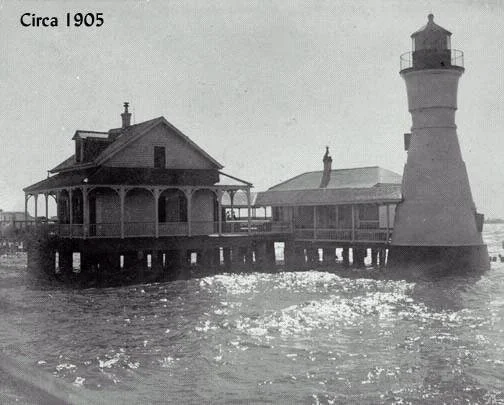
8. Milneburg
Dates
1830s to 20th century
Location
Elysian Fields Ave
A lakeside performance zone tied to dance, excursion, and resort culture.
In Continuities: Chapter 1
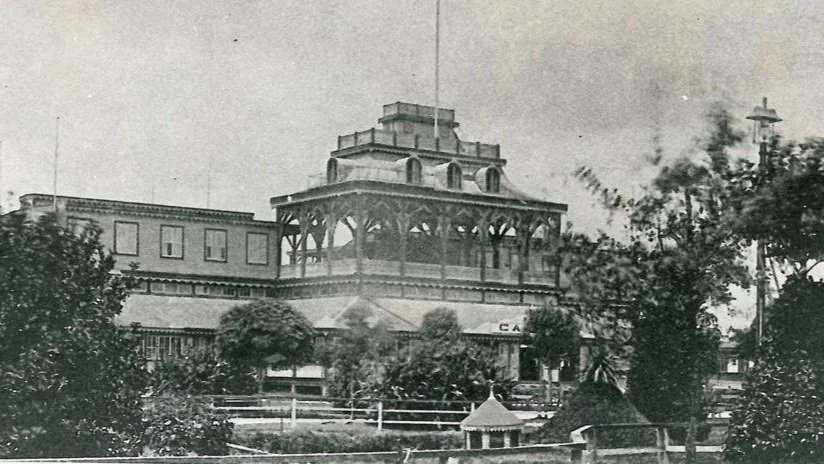
10. Spanish Fort
Dates
1823 to early 20th century
Location
Bayou St John
A lakeside amusement and music destination in the broader performance geography.
In Continuities: Chapter 1
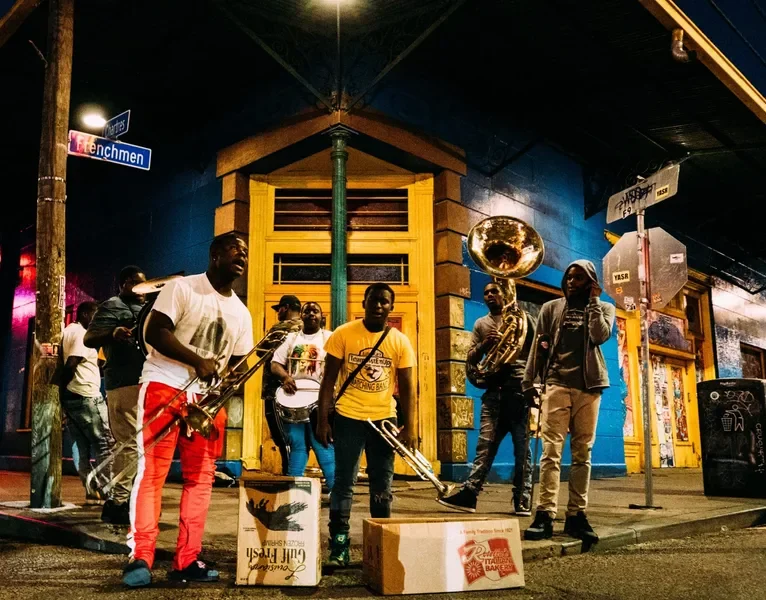
12. Frenchmen Street
Dates
Late 20th century to present
Location
Frenchmen St
A contemporary live music and gig labor corridor.
In Continuities: Chapter 6 & 7
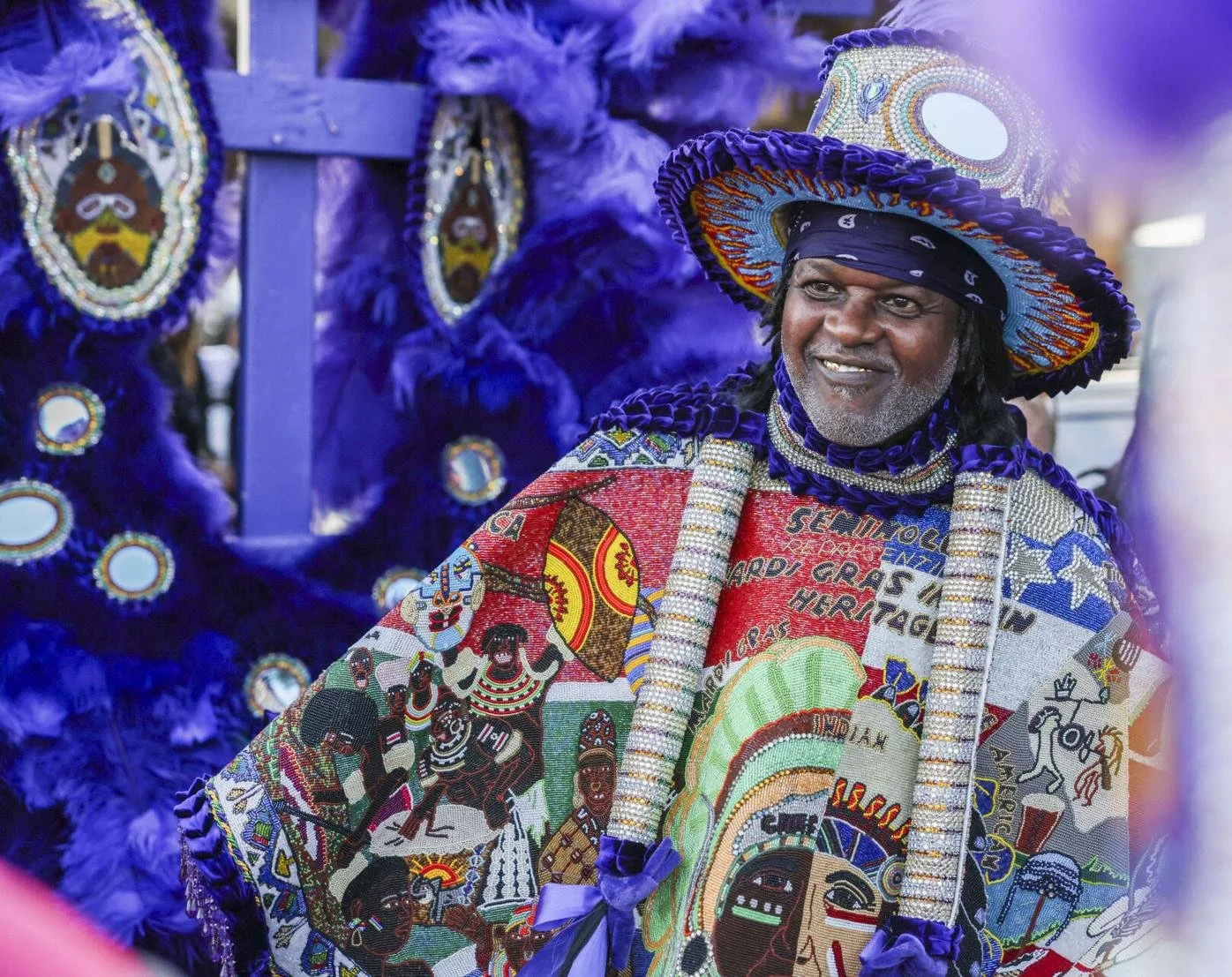
14. A.L. Davis Park
Dates
Late 20th century
Location
2600 LaSalle St
A major Super Sunday site for Black masking culture.
In Continuities: Chapter 5 & 6
16. Odd Fellows Hall
Dates
19th century
Location
1116 Perdido St
A hub of Black social life and public assembly.
In Continuities: Chapter 1
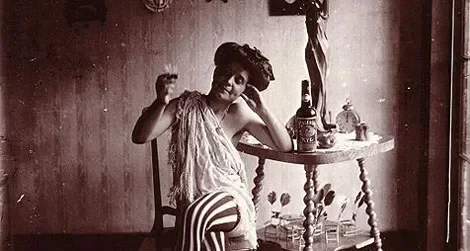
18. Black Storyville
Dates
Early 20th century
Location
The Battlefield
A vice and entertainment district important to Black musicians.
In Continuities: Chapter 1
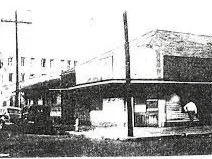
20. Tuxedo Dance Hall
Dates
Early 1910s
Location
Franklin St
A popular Storyville dance hall and site of notorious violence.
In Continuities: Chapter 1
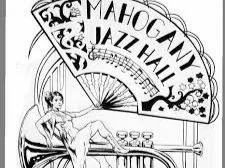
22. Mahogany Hall
Dates
Storyville era
Location
235 Basin St
Lulu White’s house where music and sex work intersected.
In Continuities: Chapter 1